High Resistance Meter Explained: A UK Buyer's Guide
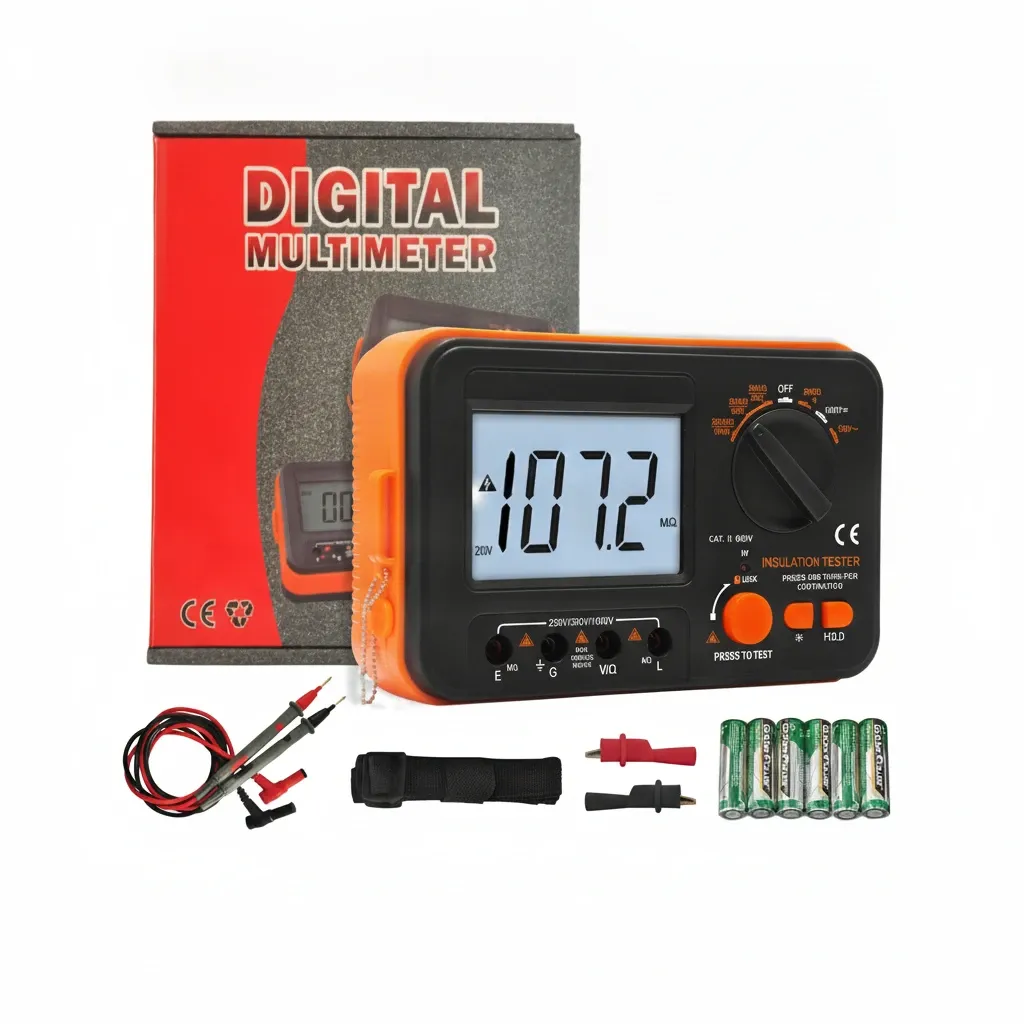
For electrical engineers and industrial maintenance professionals across the UK, diagnosing degrading insulation before it leads to catastrophic failure is a daily imperative. A high resistance meter is the definitive tool for this task, applying high DC voltages to measure the integrity of electrical insulation in motors, cables, and switchgear. Whether you are managing the facility maintenance of an NHS hospital trust or overseeing a manufacturing plant in the Midlands, understanding how to select and deploy these critical instruments ensures compliance with rigorous British safety standards.
Key Takeaways
- A high resistance meter is essential for measuring insulation values in the megohm and gigohm ranges, far beyond the capabilities of standard multimeters.
- Regular testing ensures compliance with the IET Wiring Regulations (BS 7671) and helps prevent costly industrial downtime.
- Key features to look for include variable test voltages, digital displays, and high safety categories (CAT III/CAT IV).
- Advanced diagnostic tests, such as the Polarisation Index (PI) and Dielectric Absorption Ratio (DAR), provide deeper insights into motor and cable health.
What is a High Resistance Meter?
A high resistance meter, frequently referred to in the trade as a megohmmeter, is a specialised testing instrument designed to measure the electrical resistance of insulators. Unlike conductors, which allow current to flow freely, insulators are designed to restrict current flow. Over time, environmental factors such as moisture, dust, thermal stress, and chemical exposure degrade these insulating materials.
To accurately assess this degradation, the meter applies a controlled, high DC voltage—typically ranging from 250V to 5000V or more—across the insulation. By measuring the minute leakage current that manages to pass through the material, the device calculates the resistance value using Ohm's Law. For an in-depth look at how digital variations of these tools operate, you can consult our ultimate guide to digital insulation testers in the UK.
Why UK Professionals Rely on High Resistance Meters
In the United Kingdom, electrical safety is strictly governed by the Health and Safety Executive (HSE) and standardisation bodies like the Institution of Engineering and Technology (IET). According to HSE statistics, electrical faults account for a significant proportion of industrial fires and workplace injuries annually. Routine insulation testing is a preventative measure that mitigates these risks.
Compliance with BS 7671
The 18th Edition of the IET Wiring Regulations (BS 7671) mandates stringent testing protocols for new electrical installations and periodic inspections of existing ones. A high resistance meter is indispensable for completing the necessary Electrical Installation Condition Reports (EICR). It allows electricians to verify that insulation resistance between live conductors and earth meets the minimum statutory requirements, typically 1 Megohm for low voltage installations.
Industrial Maintenance and Motor Diagnostics
For industrial maintenance teams, unexpected motor failure translates directly to lost revenue. By incorporating a high resistance meter into a predictive maintenance programme, engineers can track the degradation of motor winding insulation over time. This trend analysis allows for scheduled repairs rather than emergency replacements. If you are specifically focused on motor diagnostics, reading our megohm meter buyer's guide can provide additional context on specialised applications.
Standard Multimeter vs. High Resistance Meter
A common misconception among apprentices and facility managers is that a standard digital multimeter (DMM) can adequately test insulation. While a DMM can measure resistance (Ohms), it typically does so using a very low voltage, usually around 9 volts supplied by its internal battery.
This low voltage is insufficient to stress the insulation and reveal microscopic cracks, moisture ingress, or pinpoint tracking paths. A high resistance meter, on the other hand, generates a test voltage that mimics or exceeds the operating voltage of the circuit being tested. This high potential is required to force current through compromised insulation, providing a true reflection of the material's integrity under real-world operating conditions.
Key Features to Look for in a UK High Resistance Meter
When procuring a high resistance meter for professional use in the UK, several critical features dictate the instrument's utility, accuracy, and safety.
1. Variable Test Voltages
Different applications require different test voltages. Testing sensitive telecommunications wiring might require a gentle 50V or 100V test, whereas assessing the main feed cables of a manufacturing facility could necessitate 1000V or more. A versatile high resistance meter will offer multiple, selectable test voltages.
2. Advanced Diagnostic Capabilities (PI and DAR)
Modern high resistance meters often include automated functions for calculating the Polarisation Index (PI) and Dielectric Absorption Ratio (DAR). These time-resistance tests help differentiate between actual insulation breakdown and temporary issues like surface moisture.
- Polarisation Index (PI): The ratio of the 10-minute resistance value to the 1-minute resistance value. A PI below 1.0 indicates hazardous insulation conditions.
- Dielectric Absorption Ratio (DAR): Typically the ratio of the 60-second reading to the 30-second reading, useful for quickly assessing insulation health in smaller motors and cables.
3. Safety Ratings (CAT III / CAT IV)
Safety is paramount when working with high voltages. Ensure the meter carries an appropriate Overvoltage Installation Category rating. For testing at the origin of an installation or outdoors, a CAT IV rating is highly recommended to protect the user against severe transient overvoltages. For more details on safety specifications, refer to our guide on electrical insulation testers.
4. Accurate Digital Displays
While analogue sweep meters have historical charm, accurate digital insulation resistance testing provides unambiguous readings. The best modern units feature backlit LCDs, digital bar graphs to simulate analogue response, and data logging capabilities to directly export results for EICR documentation.
Best Practices for Safe and Accurate Testing
Using a high resistance meter requires strict adherence to safety protocols. Applying 1000V to a circuit is inherently dangerous if proper procedures are not followed.
- De-energise the Circuit: Never connect a high resistance meter to a live circuit. Ensure the equipment under test is completely isolated from the mains supply, locked off, and proven dead using an approved voltage indicator.
- Discharge Capacitance: Cables and motor windings act as capacitors. Before and after testing, ensure the equipment is properly discharged to earth to prevent electric shocks. Many high-quality meters feature automatic discharge functions.
- Disconnect Sensitive Electronics: High test voltages will destroy microprocessors, Variable Frequency Drives (VFDs), and solid-state controls. Disconnect these components from the circuit before applying the test voltage.
- Maintain Clean Connections: Surface dirt and moisture on the test leads or the equipment terminals can create parallel leakage paths, resulting in artificially low resistance readings. Ensure all connection points are clean and dry.
"The integrity of electrical infrastructure relies on accurate, periodic testing. A dependable high resistance meter is not just a regulatory requirement; it is the frontline defence against electrical failure and fire hazards in the industrial sector."
Equip Your Team with Professional Diagnostics
Don't compromise on electrical safety or risk costly industrial downtime. Megohmmete provides accurate digital insulation resistance testing for motors, cables, and industrial maintenance.
The Dependable Megohmmeter for Professional Diagnostics.
View Our High Resistance MetersFrequently Asked Questions (FAQs)
What is a good reading on a high resistance meter?
Acceptable readings depend on the operating voltage of the equipment being tested and the specific standard applied. Generally, for a 230V or 400V system in the UK, BS 7671 requires a minimum insulation resistance of 1 Megohm. However, in preventative maintenance, values in the hundreds of Megohms or into the Gigohm range are preferred, indicating healthy, dry insulation.
Can a high resistance meter damage equipment?
Yes, if used incorrectly. The high voltages generated by the meter can destroy sensitive electronic components, computers, smart meters, and solid-state drives if they are not disconnected prior to testing. Always ensure sensitive equipment is isolated from the circuit being tested.
How often should I calibrate my high resistance meter?
In accordance with UK quality management standards (such as ISO 9001) and general industry best practice, testing instruments should be calibrated annually. Regular calibration ensures the meter continues to provide accurate readings, which is legally critical when issuing safety certificates or EICRs. For further reading on maintaining your equipment, check our comprehensive guide to digital insulation testers.
Ready to upgrade your toolkit with Megohmmete?
Shop Testers — £69.31